Best Conference Hotels in Vienna 2026: MICE Planner's Shortlist
Vienna is not a city that hides its conference infrastructure. The Austria Center Vienna seats over 4,000 delegates in its main auditorium and is steps from Donau City's cluster of purpose-built business hotels. The ICCA has ranked Vienna among the world's top three congress destinations for well over a decade, and the city earns that position: compact geography, excellent public transport, direct intercontinental flights into Vienna International Airport, and a hotel supply that genuinely spans grand imperial ballrooms to modern glass-tower meeting floors.
The complication is calendar. Vienna's ball season runs from mid-January through the last week of February, with over 450 formal balls filling the city's concert halls, palace rooms, and hotels. The Opera Ball (always the last Thursday of February) is the peak. During that window, rates across the 1st district spike sharply and meeting-room availability collapses. If your event does not require imperial grandeur, the Hauptbahnhof corridor and Donau City hotels remain workable even in ball season, but you should price in the demand surge regardless.
This guide structures Vienna by corridor, not by star rating, because the neighbourhood decision shapes everything from transfer time to event tone.
Three Vienna MICE corridors
1. Innere Stadt / 1st District (imperial luxury)
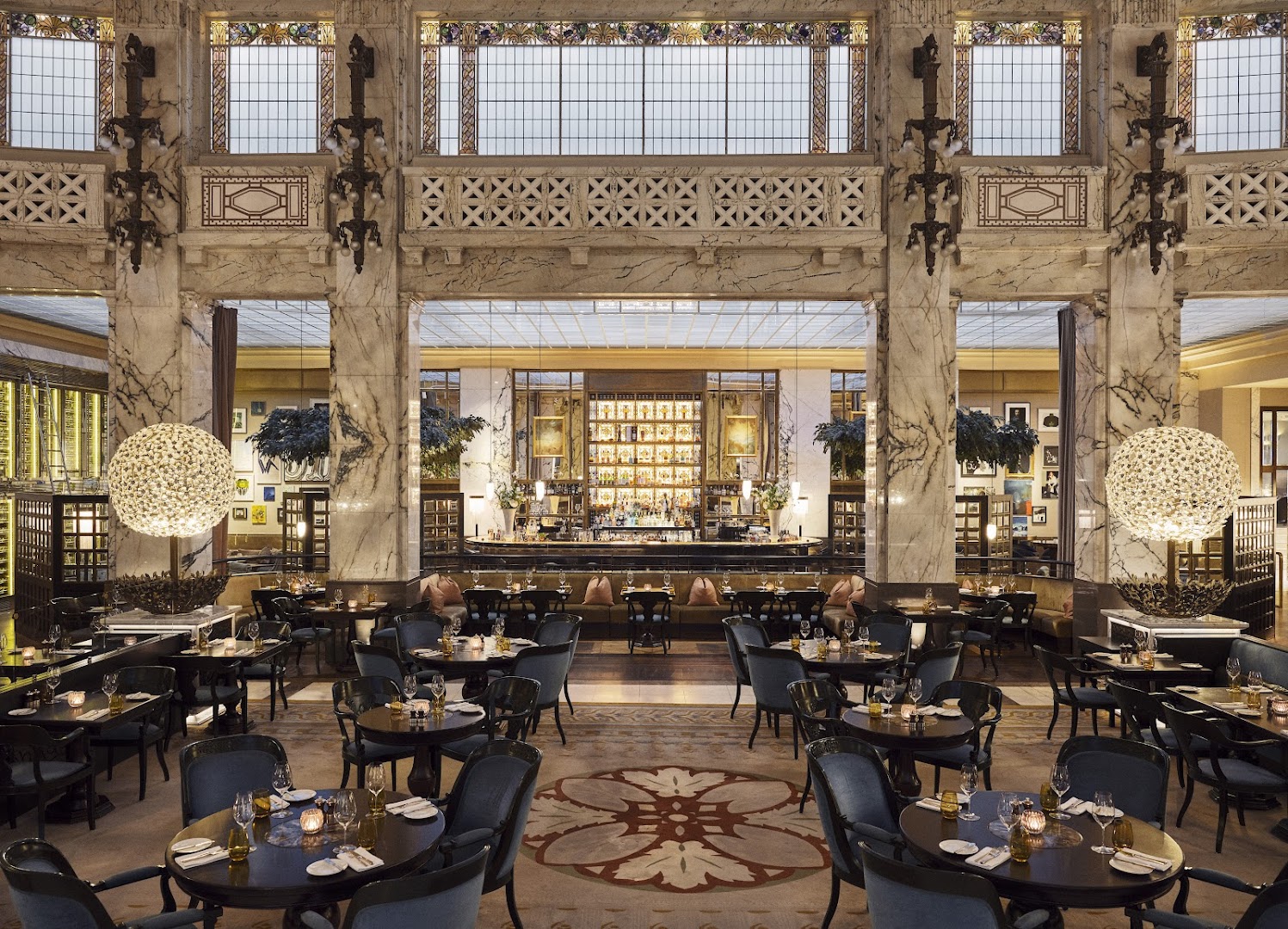
The historic centre. Hofburg, Stephansdom, the Opera House, and the grand Ringstrasse boulevard all sit within walking distance of each other and of the hotels that have lined this district since the Austro-Hungarian era. Buildings here are protected; meeting rooms are often converted ballrooms and salons, not purpose-built conference suites. Capacities tend to cap at 200 to 400 pax for plenary, but the atmosphere is unmatched in Europe for incentive groups and client-facing events that require a strong sense of place.
Service standards in the Innere Stadt properties are formal and meticulous. Expect detailed pre-event contracting, rigid F&B minimums, and staff who have handled state dinners and royal visits. This works extremely well for pharmaceutical advisory boards, legal sector summits, and financial institutions that need gravitas. It can feel stiff for tech companies or creative agencies whose culture sits at the other end of the formality spectrum.
Best for: incentive groups (40 to 150 pax), executive offsites, client entertainment events, gala dinners, medical and legal sector conferences, prestige brand experiences.
Rate pattern: year-round premium with sharp spikes during Ball season and the Vienna City Marathon weekend (April). Some softening in July and late August as leisure travel drops and corporate travel thins out.
Typical properties: Hotel Sacher Wien, Hotel Imperial (a Luxury Collection Hotel), Park Hyatt Vienna, The Ritz-Carlton Vienna, Hotel Bristol, Grand Hotel Wien, Hotel de France Wien, Palais Coburg Residenz.
2. Hauptbahnhof / Wieden / Quartier Belvedere (business and transit)
Vienna's new main station, Hauptbahnhof, opened in 2015 and triggered a significant wave of corporate hotel construction in the 4th and 10th districts around it. The Quartier Belvedere development sits directly adjacent, housing OMV's global headquarters, international law firms, and government ministries. Hotels here are purpose-built for the modern corporate traveller: larger meeting floors, reliable AV infrastructure, and faster wifi than the heritage properties can typically match inside protected-building walls.
The practical argument for this corridor is logistics. Hauptbahnhof connects directly to Vienna International Airport via the fast CAT (City Airport Train, 16 minutes) as well as to all main rail lines including direct services to Budapest, Bratislava, Graz, and Salzburg. For events drawing delegates from multiple Central European cities, this is a compelling staging point. The Belvedere Palace gardens are a ten-minute walk for cultural programming without the pricing premium of the 1st district.
Best for: corporate conferences and workshops (80 to 400 pax), events drawing rail arrivals from CEE capitals, pharma and energy sector events (given OMV proximity), multi-day programmes with airport transfer efficiency as a priority.
Rate pattern: weekday corporate premium (Monday to Thursday), meaningful Fri-Sun softening of 20 to 35 percent. Less affected by Ball season than the 1st district.
Typical properties: Hotel Andaz Vienna Am Belvedere, Hilton Vienna Park, Marriott Vienna, NH Collection Wien Zentrum, Courtyard by Marriott Vienna Schoenbrunn, Motel One Wien-Hauptbahnhof (budget tier).
3. Donau City / Vienna International Centre / Austria Center (large conferences)
The United Nations complex on the Danube. The Vienna International Centre (VIC) hosts IAEA, UNIDO, and UNODC headquarters, and the surrounding Donau City district was built around it. The Austria Center Vienna (ACV) is Austria's largest convention centre: 24 halls, 4,320 seats in the main plenary, and full exhibition integration. Purpose-built hotels cluster within walking distance of the ACV, making this the only logical base for any event above 500 pax that needs single-venue solutions.
The drawback is atmosphere. Donau City is architecturally modern but sterile compared to the rest of Vienna. Delegates who want evening walks through historic streets will need to transit 20 minutes to the centre. For events that keep delegates in the venue and on a tight schedule, this is irrelevant. For incentive programmes where exploring the city is part of the proposition, the tradeoff matters.
Best for: large international congresses (500 to 5,000+ pax), medical and scientific conferences, UN and intergovernmental events, trade association annual meetings, multi-day events needing integrated exhibition space.
Rate pattern: ACV event calendar drives high compression during major congresses. Outside scheduled ACV events, rates are moderate, typically 15 to 25 percent below the 1st district at equivalent star levels.
Typical properties: ARCOTEL Kaiserwasser, Hilton Vienna Danube Waterfront, Courtyard by Marriott Vienna Messe, Austria Trend Hotel Messe Wien, NH Danube City.
Which corridor for which event type
- Large international congress, 500 to 5,000 pax. Austria Center Vienna plus hotel block in Donau City. No alternative at this scale within the city.
- Incentive group, 60 to 150 pax, imperial atmosphere required. Hotel Sacher, Hotel Imperial, or Park Hyatt Vienna in the 1st district. These properties deliver the signature Vienna experience.
- Executive offsite, 40 to 80 pax, high-end but modern. Park Hyatt Vienna or The Ritz-Carlton Vienna if the 1st district appeal matters; Andaz Vienna Am Belvedere if you want newer infrastructure and easier airport logistics.
- Corporate conference, 100 to 300 pax, plenary plus breakouts. Hilton Vienna Park, Marriott Vienna, or Hotel Andaz Belvedere in the Hauptbahnhof corridor. Better meeting floor specifications than most heritage properties.
- Pharma advisory board, 20 to 60 pax, formal requirements. 1st district (Hotel Bristol or Grand Hotel Wien) or Hauptbahnhof corridor depending on compliance preferences for venue formality.
- Annual general meeting, financial sector, 200 to 400 pax. Hilton Vienna Park or Marriott Vienna. Proximity to rail for CEE delegates and standard meeting room specifications for regulated-sector needs.
The Vienna calendar: when to avoid, when to book
Vienna's demand spikes are more predictable than almost any European city. The ball calendar is published two years in advance.
Never book during (rates spike significantly, 1st district properties compress severely):
- Vienna Ball season: mid-January through late February (over 450 formal balls in this window)
- Opera Ball: last Thursday of February (the peak of the season, city-wide pressure)
- Vienna City Marathon: late April (typically fourth Sunday, road closures plus hotel demand surge)
- Vienna Music Film Festival (Musikfilmfest) on the Rathausplatz: July through August (leisure demand drives 1st district rates up significantly)
- Viennale film festival: late October (boutique and design properties in particular)
Soft weeks (best negotiating position):
- All of July (outside Musikfilmfest starting dates, which vary)
- Mid-to-late August
- Most of November (between Viennale close and Christmas market opening)
- First two weeks of January (post-Christmas, pre-Ball season)
- Friday to Sunday year-round at Hauptbahnhof and Donau City corporate properties
Sensitive weeks (verify before committing):
- Late September through early October (Vienna Design Week, Vienna International Film Festival, ACV calendar peaks)
- Early December (Christmas markets open, leisure demand surges in the 1st district)
- Late April through mid-May (post-marathon recovery, spring conference season)
What to ask in your Vienna RFP
- VAT-inclusive rates, both accommodation and meeting rooms. Austrian Mehrwertsteuer is 10 percent on hotel accommodation and 20 percent on meeting room hire and F&B services. The split matters when budget-approving in different cost centres. Always request quotes that show both inclusive and exclusive figures.
- Ortstaxe (city tourist tax) disclosure. Vienna charges approximately 3.2 percent of the net room rate as a tourist tax. It is typically not included in corporate rate quotes. Ask the property to confirm the per-person per-night amount at your group rate level and add it to your delegate cost model.
- Meeting room hire waiver conditions. Viennese hotels apply F&B minimums to trigger complimentary room hire. These minimums are typically EUR 2,500 to EUR 6,000 per day depending on property tier. Ask for the exact threshold and whether audio-visual services count toward it.
- Ballroom specifications and technical access hours. Many Innere Stadt properties operate their ballrooms as multi-purpose spaces. Ask for the room's load-bearing capacity (chandelier rigging limits are real in 19th century buildings), natural light options, and pre-event access hours for staging crews.
- Airport transfer arrangement. The CAT (City Airport Train) runs every 30 minutes and takes 16 minutes from the airport to Wien Mitte. Most 5-star properties include CAT passes in corporate group rates or offer private transfer packages. Confirm what is included and at what group size.
- Cultural evening programming capacity. Schoenbrunn Palace concerts, the Vienna State Opera, the Vienna Boys' Choir, and private Mozarthaus recitals all require advance booking. Top-tier properties have dedicated concierge relationships. Ask the hotel which cultural experiences they can guarantee to secure for your event dates and at what group size limit.
- Interpretation booth and simultaneous translation infrastructure. Vienna hosts a disproportionate share of multilingual international conferences due to the UN presence. Ask if fixed interpretation booths are installed, how many language channels the system supports, and whether portable equipment is available for smaller breakout rooms.
- Contract deposit and cancellation ladder. Austrian hospitality contracts tend to have more structured penalty ladders than their UK or Spanish equivalents. Deposits of 20 to 30 percent at signing are standard. The cancellation penalty schedule should be negotiated explicitly, especially for events more than 12 months out where date flexibility may still matter.
Running a Vienna RFP to multiple hotels at once?
Easy RFP sends structured briefs, collects responses in one view, and lets you run a BAFO round. Free plan available — no credit card.
Start free